
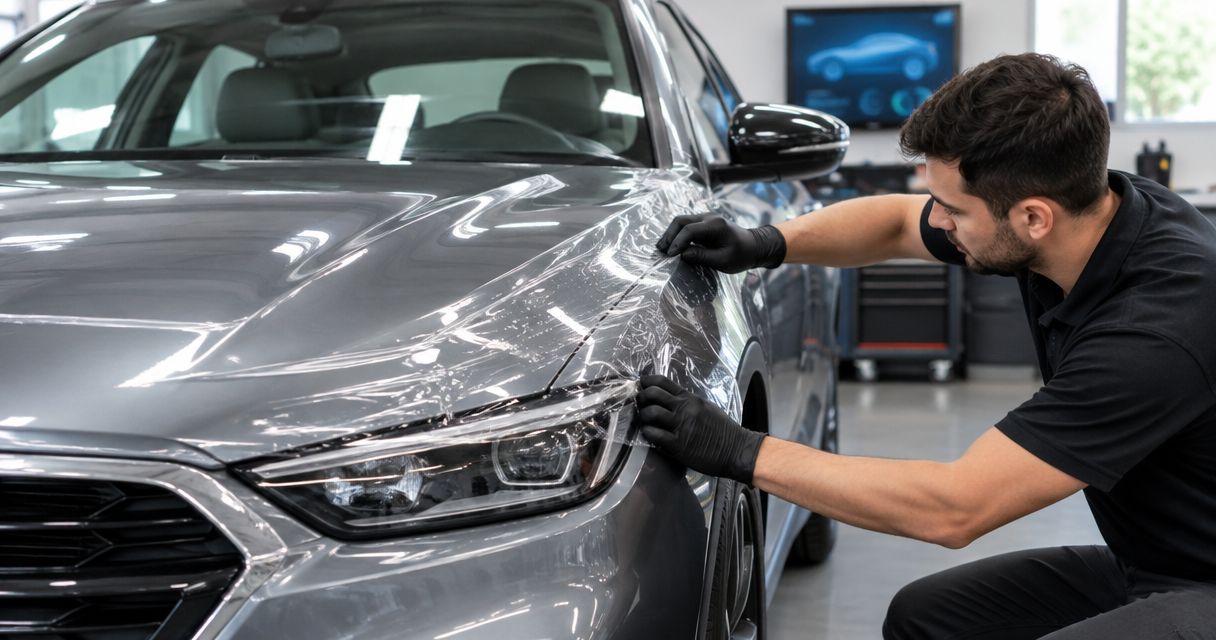
Yes, paint protection film can be applied to a leased car when your lease permits it and the paint is suitable for installation. The separate issue is lease return: confirm whether the lessor accepts the film or requires its removal. Get the permission and return requirements in writing before authorizing installation.
- Can PPF be applied to a leased car? Yes, when lease terms permit installation and the paint is suitable.
- Written lessor approval and a return plan matter more than an installer’s assurance that film is removable.
- Paint protection film helps protect covered panels; it does not guarantee acceptance at lease return.
- Kleandetail offers paint protection film services for car owners in Oak Lawn, Illinois.
Why this matters
You do not own the vehicle during the lease, so a useful paint-protection treatment still needs to fit the contract. An installer can assess the surface and explain the application, but the lessor determines the contractual requirements for returning the car.
For a 2026 installation, separate permission, paint condition, and return obligations before choosing coverage. If you are still deciding whether protection fits your driving, start with whether paint protection film is worth it. Permission answers whether you can install it; your use of the car answers whether you should.
Can PPF be applied to a leased car?
Yes—provided installation complies with your lease, the paint can accept the film, and you understand the return requirements. Removability alone does not establish permission. A film that can be removed is still an addition to someone else’s vehicle.
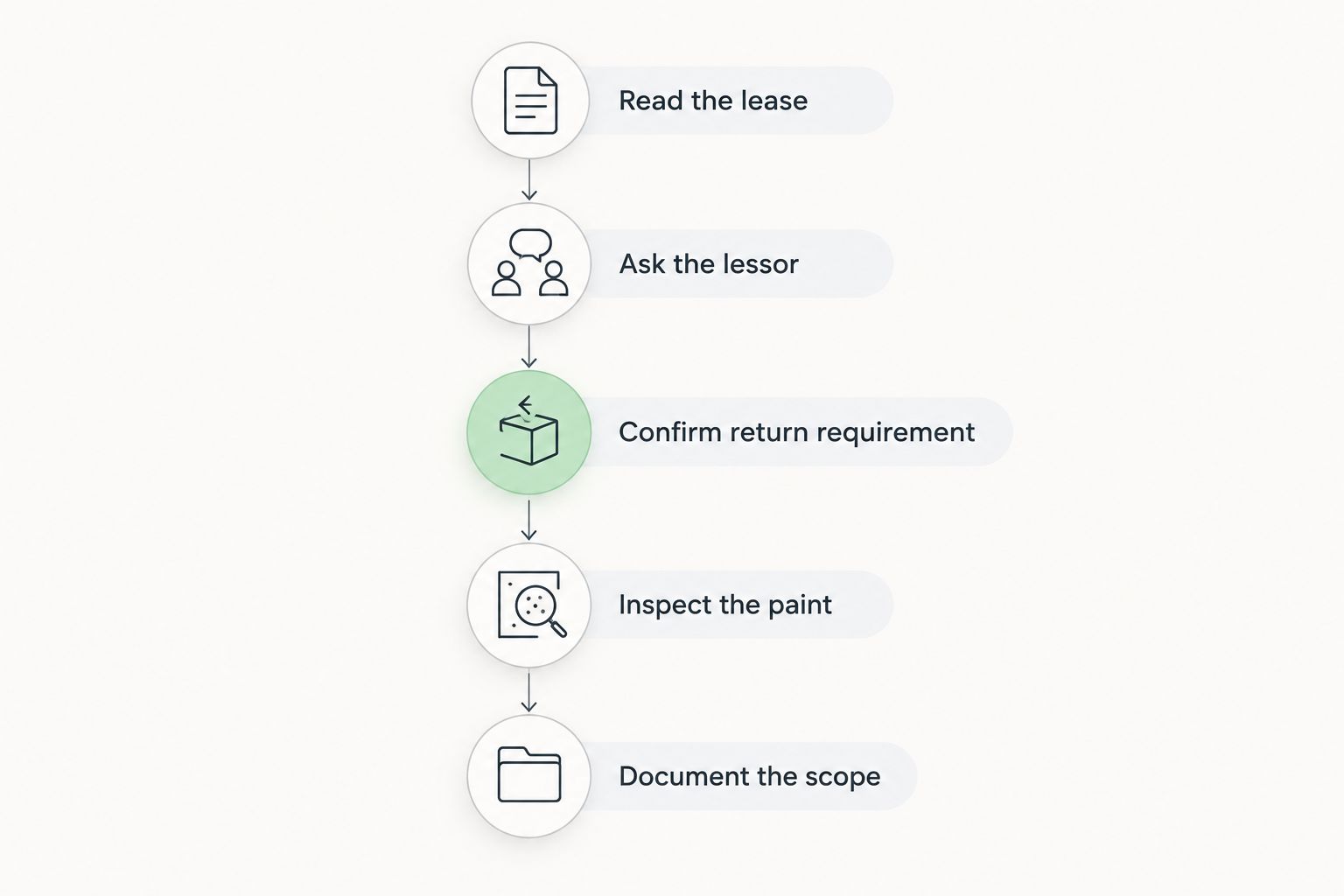
Use this sequence before booking an appointment:
- Read the lease. Look for language about alterations, accessories, exterior appearance, vehicle condition, and restoration at return. Do not assume that a clause about one accessory covers every exterior treatment.
- Ask the lessor about the exact treatment. Describe clear paint protection film, the panels you want covered, and any proposed finish change. A question about clear film on a bumper is different from a question about changing the entire vehicle’s appearance.
- Confirm the return requirement. Ask whether approved film can remain, whether removal is required, and how the underlying paint will be assessed. Keep the response with the lease documents.
- Have the paint inspected. Disclose repainting, collision repairs, peeling clear coat, and existing chips. Ask the installer to identify any surface that needs repair or should not receive film.
- Document the agreed scope. Keep photographs, the installation paperwork, the covered-panel list, and the lessor’s response. These records explain what was present before installation and what work followed.
A salesperson’s verbal reassurance is not a substitute for the applicable lease terms. Ask the company administering your lease who can provide an authoritative response, especially if the dealership and lessor are different businesses.
Which coverage makes sense on a leased car?
Choose coverage around the surfaces you want to protect, not around an assumption that more film means fewer lease-return obligations. Paint protection film creates a protective layer over the covered paint; uncovered panels remain exposed. It does not make the vehicle immune to damage.
The following comparison describes coverage approaches, not specific packages or lease approvals. No coverage choice overrides your contract.
| Approach | Best for | Main benefit | Main limitation |
|---|---|---|---|
| Selected-panel PPF | Drivers targeting particular exposed panels | Protects the chosen surfaces without covering the entire exterior | Leaves other painted areas unprotected; coverage boundaries need discussion |
| Full-body PPF | Drivers seeking protection across the painted exterior | Extends protection beyond selected impact areas | Expands the installation and any later removal scope |
| No PPF | Drivers whose lease prohibits installation or whose paint is unsuitable | Avoids adding film and the associated removal decision | Adds no film barrier against chips or surface abrasion |
Selected-panel PPF: best for targeted protection
Selected-panel coverage suits a driver who can identify a specific concern, such as stone impacts on the front bumper or hood. Ask the installer to show exactly where coverage starts and ends. “Front protection” is not a sufficiently precise description for your records.
The trade-off is straightforward: protection stops where the film stops. Existing damage also remains a separate issue; applying film over a chip does not restore the missing paint. Discuss repair needs before deciding which panels to cover.
Full-body PPF: best for broader painted-surface coverage
Full-body coverage addresses more painted surfaces, but a leased vehicle still needs a clear return plan. Ask which exterior parts are included and which are excluded. Do not assume that trim, glass, lights, or every recess is included in a description of full-body paint protection.
The broader scope also matters if removal is required. Choose full-body coverage for the protection you want while driving, not as a promise of a trouble-free lease inspection. The condition of the vehicle still matters at handover.
No PPF: best when permission or paint suitability is unresolved
Waiting is the right decision when you have not established whether installation is permitted. The same applies when the paint inspection identifies a condition that needs repair before film can be considered.
Skipping film does not mean skipping maintenance. Continue appropriate washing and address damage according to the lease requirements. Do not replace a clear permission question with a rushed installation appointment.
Why the answer varies between leased cars
There is no single approval that covers every leased vehicle in 2026. The decision depends on the contract and the specific car, not simply its make or model.
- Lease language: The agreement sets the rules for alterations and the condition required at return. Read the relevant provisions together rather than relying on one favorable sentence.
- Lessor instructions: Confirm how the lessor treats the proposed installation and what documentation it expects. Keep the response specific to your vehicle and proposed work.
- Paint condition: Original paint, repaired panels, existing chips, and failing finishes need individual assessment. Film installation does not resolve an underlying paint defect.
- Film appearance: Clear film and a treatment that changes color or finish are not the same proposal. Describe the actual result when requesting permission.
- Coverage and return scope: Selected panels and full-body coverage involve different amounts of work. If removal is required, that distinction remains relevant at the end of the lease.
Can you leave PPF on a car at lease return?
You can leave PPF on a leased car only when doing so meets the lessor’s return requirements. Do not assume that approval to install automatically answers whether the film can remain at handover.
Ask about that distinction before installation, then confirm the applicable instructions again as return approaches. Save both communications. For a 2026 return, use the instructions that apply to your agreement rather than another driver’s experience with a different lease.
A vehicle inspection and permission to retain film answer different questions. The first evaluates condition; the second addresses whether the addition is acceptable. Keep both issues in your return checklist.
Does removing PPF guarantee undamaged paint?
No—PPF removal does not come with a universal guarantee that the underlying paint will remain undamaged. Paint condition, previous repairs, film condition, and removal technique all need assessment.
Do not treat “removable” as “risk-free.” Tell the installer about repaired or repainted panels before application, and preserve that information for whoever assesses removal later. If you do not know the repair history, say so rather than treating every panel as original paint.
Before arranging removal, review whether paint protection film can be removed without damaging paint. Have the actual vehicle inspected instead of relying on a general statement about film removal.
Will PPF prevent lease-end damage charges?
No—PPF does not guarantee that you will avoid lease-end damage charges. Film protects covered surfaces against certain physical damage, but the lease’s condition standards still govern the returned vehicle.
Film also does not repair damage that already exists. A chip beneath the film remains a chip, and damage elsewhere on the vehicle remains outside that coverage. Avoid treating exterior protection as a substitute for checking the entire car before handover.
Keep the distinction clear: PPF is a protective treatment, not a lease-return waiver. Any decision about acceptable wear belongs to the applicable lease process, not to the film installation itself.
What should you ask the installer before booking?
Bring the lease requirements and photographs of existing damage to the consultation. The installer needs to know what you want protected and what restrictions apply. You need an explanation of the proposed work, not reassurance about a contract the installer does not administer.
Ask these questions before accepting the scope:
- Which panels are suitable for film, and which need repair first?
- Where will coverage begin and end on each panel?
- Will installation involve removing trim or other vehicle components?
- What preparation is proposed, and why is it necessary?
- What care instructions apply to the installed film?
- How should removal be assessed if the lessor requires it?
Ask for answers tied to your car. A general description of installation cannot establish the condition of a repainted bumper or explain how a particular panel edge will be treated.
Kleandetail is best suited to Oak Lawn car owners seeking local paint protection film service. The shop offers PPF alongside paint correction and vehicle detailing. Those services do not establish lease permission; obtain that decision from the lessor before authorizing work.
When discussing a leased car with Kleandetail, bring the approved coverage scope and any removal requirement. This keeps the service discussion focused on the vehicle rather than an unresolved contract question.
Discuss your leased car’s protection
Ask about paint protection film for your vehicle after confirming your lease requirements.
Keep a return-ready record from the start
Create a single folder for the lease response, installation paperwork, photographs, and care instructions. Photograph existing chips and repaired areas before work begins. Record the covered panels so that a later inspector or removal specialist can understand the installation scope.
For a 2026 installation, record the actual installation date rather than relying on an appointment reminder. Keep any later repair or film-replacement paperwork in the same folder. A repair can change the condition and history of a panel that was previously documented.
Do not wait until handover to resolve visible film damage or a removal requirement. Ask the lessor how to handle the issue, then arrange the appropriate assessment. The purpose of the records is to support clear decisions—not to guarantee that every condition will be accepted.
FAQ
Can PPF be applied to a leased car without permission?
Do not assume you can apply PPF without checking your lease. Read the alteration provisions and obtain written clarification from the lessor when permission is unclear.
Should I ask the dealership or the leasing company about PPF?
Ask the lessor or the company administering your lease who can authorize the proposed installation. A dealership’s verbal reassurance does not replace the applicable contract requirements.
Is clear PPF the same as a color-changing wrap for lease approval?
No—clear PPF and a color-changing wrap are different proposals. Describe the exact film, finish, and coverage when asking the lessor for permission.
Can I put PPF over scratches on a leased car?
PPF does not repair scratches or replace missing paint. Have the surface inspected and resolve any required preparation or repair before installation.
Do I have to remove PPF before returning my leased car?
Your lessor’s return requirements determine whether removal is necessary. Confirm that requirement before installation and again when preparing to return the vehicle.
Is full-body PPF better than front-panel coverage on a lease?
Full-body PPF covers more painted surfaces, but it is not automatically the better lease decision. Match coverage to your protection goals, permission, paint condition, and return obligations.
Does Kleandetail install paint protection film in Oak Lawn?
Kleandetail offers paint protection film services for car owners in Oak Lawn, Illinois. Confirm your lease requirements before discussing the installation scope.
One last thing
The most useful question is not just whether film can come off. Ask: “What condition must this vehicle be in when I return it, and can this film remain?” That answer connects installation to the obligation you actually need to meet.
Whether you install PPF in 2026 or decide against it, keep that written response with your vehicle records. A clear return plan is more useful than a broad assurance that the film is temporary.


