
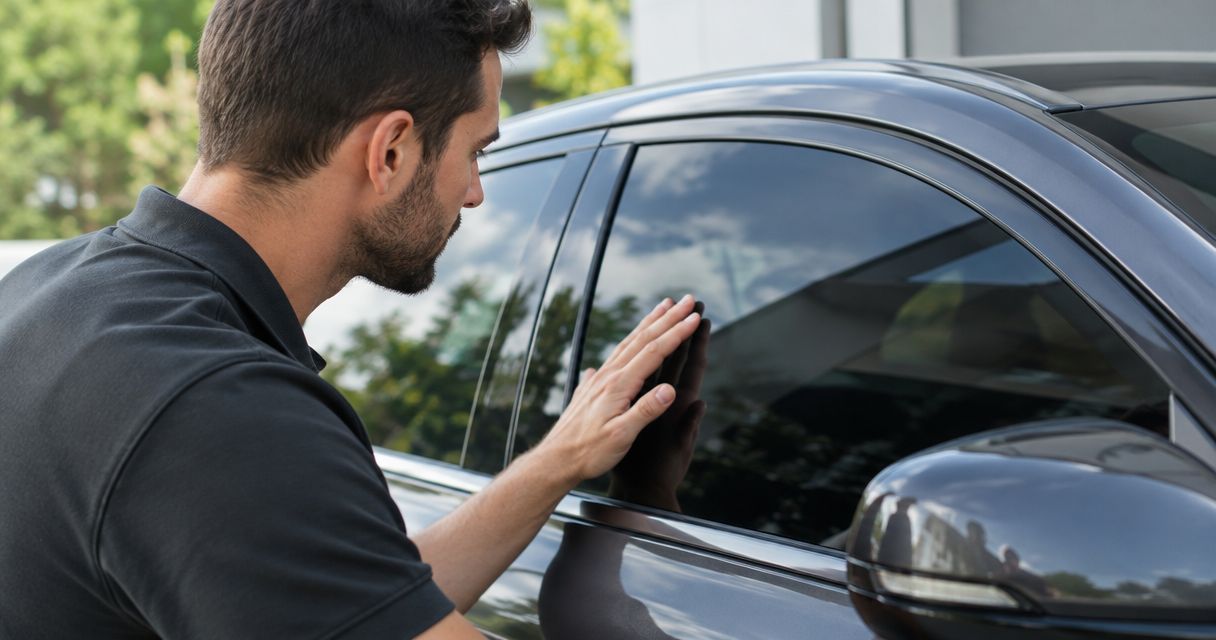
No, adding aftermarket window tint does not automatically void your entire car warranty in the United States in 2026. A manufacturer can deny coverage for a repair when the tint or its installation caused the problem, but an unrelated defect remains a separate warranty claim. Your vehicle warranty, tint warranty, and any service contract have different terms, so check each before authorizing work.
- Does window tint void car warranty coverage? Not automatically; damage caused by tint or installation can be excluded.
- The FTC distinguishes aftermarket modifications from defects those modifications actually cause.
- Keep the installation invoice, film warranty, and vehicle warranty together before requesting repairs.
- Kleandetail provides window tinting services for car owners in Oak Lawn, Illinois.
Why this matters
A blanket warning about losing your warranty can push you into the wrong decision. The real question is whether a particular repair falls within your coverage and whether aftermarket work caused the failure—not simply whether your windows have film.
Kleandetail offers window tinting in Oak Lawn, Illinois. Before arranging an installation, separate the appearance or comfort you want from the warranty questions your vehicle manufacturer must answer. A tint installer cannot rewrite the manufacturer's warranty, and a dealership's verbal warning is not a substitute for written coverage terms.
Does window tint void a car's warranty?
Window tint does not automatically cancel a U.S. manufacturer's entire vehicle warranty. The Federal Trade Commission's consumer guidance, Auto Warranties and Auto Service Contracts, explains that aftermarket equipment alone is not grounds for denying warranty coverage; damage caused by that equipment or its installation is different.
For a 2026 warranty decision, apply that distinction to the failed component. Do not treat every electrical issue as tint-related, and do not assume every problem appearing after installation is unrelated.
| Situation | What it means for a warranty claim | What to request |
|---|---|---|
| An unrelated covered engine defect appears after tinting | Tint alone is not grounds to reject the engine claim | Diagnosis and the applicable warranty terms |
| Installation damages a door component | The manufacturer can exclude repair of installation-caused damage | Evidence identifying the damage and its cause |
| Film bubbles or peels | The issue concerns the film or installation, not automatically the vehicle warranty | The film and workmanship warranty terms |
| A rear defroster stops working after film removal | The cause must be established before assigning responsibility | Inspection findings and documentation of the removal |
| A service contract excludes certain modifications | Contract language matters separately from factory coverage | The exact exclusion and its application to the failure |
These are examples of how to assess a claim, not diagnoses of your vehicle. Timing is evidence to investigate, not proof of causation. A fault that appears after tinting still needs an explanation connecting the work to the failure.
Factory warranty: focus on the failed component
A factory warranty covers specified defects under its written terms. Adding film does not turn that warranty into a promise to repair damage caused by an outside installer, but it also does not make an unrelated covered defect disappear.
Suppose a window stops moving after installation. The relevant questions concern the regulator, motor, switches, seals, wiring, and any work performed around them. A technician needs to identify the actual failure before deciding whether the repair belongs under factory coverage or an installation-related claim.
Ask the dealer to distinguish between an uncovered cause and a canceled warranty. Those are different conclusions. A denial for damage to a particular door component does not, by itself, establish that the vehicle has lost coverage for unrelated systems.
Do not promise yourself coverage based only on the vehicle's age. Mileage limits, coverage periods, exclusions, and the nature of the defect still apply regardless of tint.
Tint warranty: film and workmanship need separate checks
A tint warranty is not the same as a vehicle warranty. Its value depends on who issued it, what it covers, and what steps you must take to make a claim.
Before installation, ask for written answers about film defects and installation workmanship. Bubbling, peeling, discoloration, scratches, accidental damage, and removal are not interchangeable problems; check which conditions the actual document addresses rather than assuming they are all included.
Also establish who handles the claim. An installer, film manufacturer, and vehicle manufacturer have different responsibilities, and a film warranty does not automatically cover damage to the car.
Keep the warranty document, not just a receipt saying the windows were tinted. Record the film identification supplied by the installer and retain the care instructions. Do not assume a warranty transfers to another owner or covers replacement film after unrelated glass replacement.
Service contracts and leases: read the separate agreement
An extended service contract is not automatically equivalent to the original manufacturer's warranty. The FTC distinguishes these contracts from warranties, and coverage depends on the agreement's terms.
Check modification exclusions, authorization requirements, and claim procedures before installation. If an administrator says tint affects coverage, ask which clause applies and whether the answer concerns the whole agreement or a particular repair.
A lease introduces another separate issue: return condition. A modification can leave factory warranty coverage intact while still conflicting with your lease agreement. Ask the lessor about permitted modifications and removal requirements rather than treating warranty approval as lease approval.
For a 2026 purchase or lease, keep those answers with your vehicle records. Written terms are more useful during a dispute than a recollection of a sales conversation.
Why window-tint warranty outcomes vary
The answer changes with the claim, not just the presence of film. These factors determine what needs investigation:
- The failed component: An engine defect and a damaged window seal involve different evidence. Identify what actually failed before discussing exclusions.
- The cause of damage: Damage attributable to installation is different from an existing defect that becomes noticeable afterward.
- The installation work: Document any trim removal, existing damage, and work near electrical components. Do not assume every installation involves the same procedure.
- The controlling agreement: Factory coverage, film coverage, workmanship coverage, service contracts, and leases have separate terms.
- The available records: Before-and-after photographs, invoices, care instructions, and diagnostic findings help establish what happened.
- Removal or later repairs: Film removal and glass replacement introduce additional work that needs its own documentation.
Legal compliance is another decision, not a warranty guarantee. Before choosing film for an Illinois vehicle in 2026, review whether window tinting is legal in Illinois. A legal installation does not prove that installation damage is covered, and warranty coverage does not establish that a tint configuration is legal.
What should I do before getting my windows tinted?
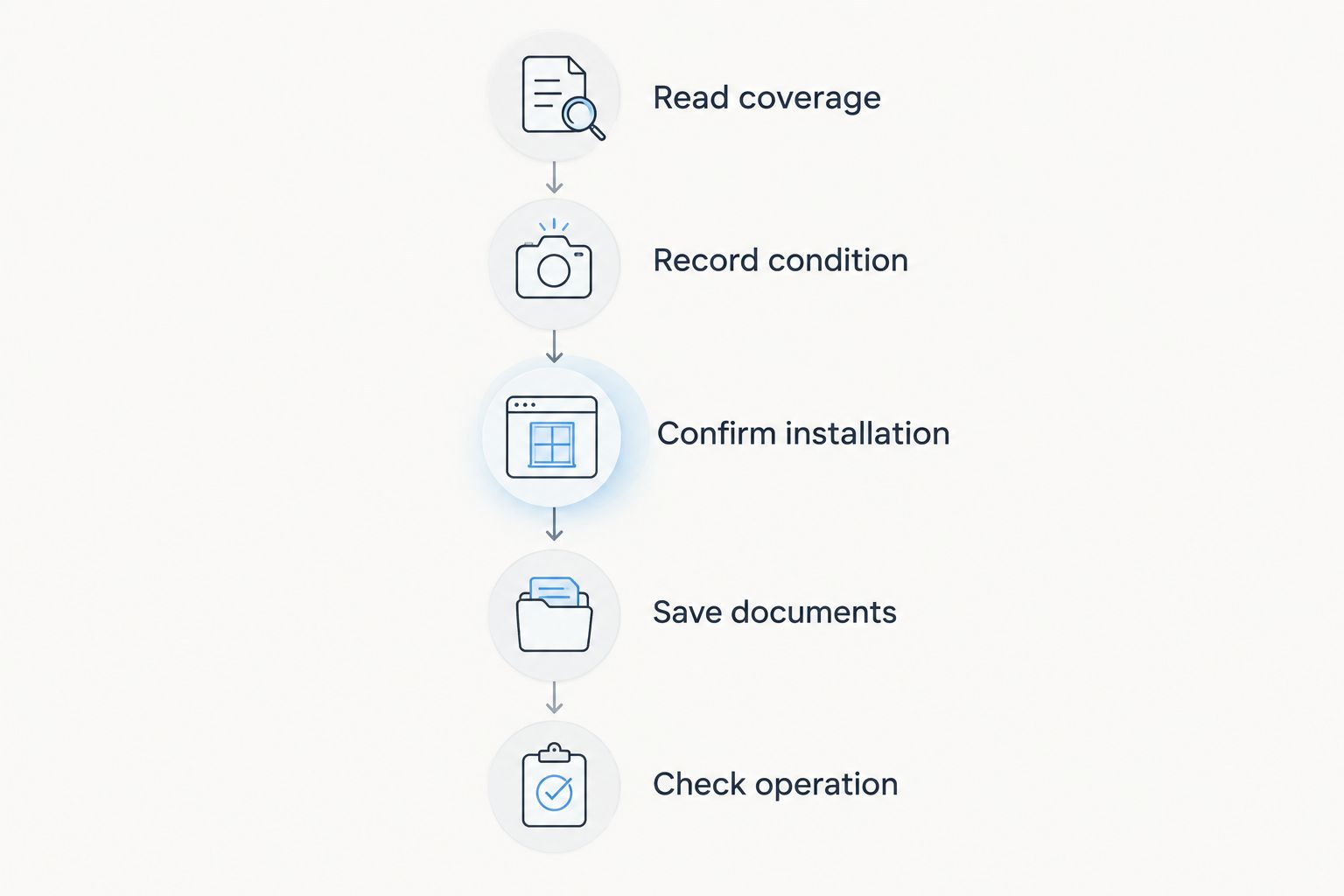
Use these 5 steps to create a useful record before anyone begins work. You do not need to collect unrelated paperwork; concentrate on the vehicle, the proposed installation, and the agreements that apply.
- Read coverage. Check your vehicle warranty and any service contract or lease. Look for relevant exclusions and required claim procedures.
- Record condition. Photograph the glass, trim, and visible existing damage. Confirm that the windows, locks, mirrors, and rear defroster operate before installation.
- Confirm installation. Ask what work the installer expects to perform around trim, glass, and electrical components. Identify existing defects before approving work.
- Save documents. Retain the invoice, film identification, written warranty terms, and care instructions supplied with the installation.
- Check operation. Follow the installer's instructions for when to operate the windows, then report problems promptly and preserve the record.
The sequence matters because it establishes condition before the work and records what changed afterward. It does not guarantee a successful claim; it gives the people assessing the claim something concrete to examine.
Ask an installer to explain the limits of its responsibility as clearly as the installation itself. Kleandetail window tinting is best for car owners seeking a local tinting service in Oak Lawn, Illinois. That local service is relevant when arranging work; it is not a substitute for your manufacturer's coverage decision or the written terms of an installation warranty.
Discuss your window tint installation
Ask about window tinting for your vehicle and the documentation to retain.
What should I do if a dealer denies a claim because of tint?
Start by asking for a written explanation. A useful denial identifies the failed part, the relevant exclusion, and the evidence connecting tint or installation to the failure.
Use these 4 questions to keep the conversation specific:
- Which component failed, and what did the inspection find?
- How did the tint or installation cause that failure?
- Which warranty provision excludes this repair?
- Does the decision concern this repair alone or other coverage too?
If the explanation remains unclear, contact the manufacturer's customer assistance channel identified in your warranty documents. Follow any dispute-resolution process stated there, and retain the repair order and correspondence.
For a 2026 dispute, consult the FTC's auto-warranty guidance and, where necessary, your state consumer protection office or a qualified attorney. Do not remove the film or authorize additional work merely to erase evidence before the cause has been documented. Address urgent safety problems promptly while preserving photographs and records.
Will removing window tint restore my warranty?
Removing window tint does not automatically resolve a denied claim. If installation or removal damaged a component, taking the film off does not reverse that damage or establish responsibility.
Removal also deserves care around rear-window defroster lines. Before authorizing it, ask what the repair requires and how the glass and attached features will be protected. Preserve the diagnosis and photographs first, especially when responsibility is disputed.
Does dealer-installed tint guarantee factory coverage?
Dealer-installed tint does not automatically make every tint-related problem a factory warranty claim. Ask whether the coverage comes from the vehicle manufacturer, the dealership, an outside installer, or the film supplier.
The benefit of arranging installation through a dealer is having an identified point of contact for that transaction. The limitation is that the dealer's involvement alone does not tell you which written warranty applies. Get the terms before relying on a verbal assurance.
FAQ
Does window tint void my entire car warranty?
No, aftermarket window tint does not automatically void your entire U.S. vehicle warranty. A manufacturer can deny coverage for damage caused by the tint or its installation, while unrelated covered defects remain separate claims.
Can a dealer deny an engine repair because my windows are tinted?
Tint alone is not grounds to deny an otherwise covered engine repair. Ask for the diagnosis and an explanation of any claimed connection between the modification and the engine failure.
Does ceramic window tint protect my factory warranty better?
A film being described as ceramic does not determine factory warranty coverage. The relevant issues are the warranty terms, the failed component, and whether the film or installation caused damage.
Is my rear defroster covered if it stops working after tint removal?
Rear-defroster coverage depends on the cause of failure and the applicable warranty. Damage caused during film removal is different from a manufacturing defect, so document the condition and obtain a diagnosis.
Should I ask my dealer before tinting a new car?
Ask the dealer for the relevant written warranty terms before tinting a new car. Also review any separate lease or service contract, because permission under one agreement does not settle the others.
Does legal window tint mean warranty repairs are guaranteed?
No, legal window tint does not guarantee warranty repairs. Tint legality concerns compliance with applicable rules; warranty coverage concerns the agreement, the defect, and its cause.
What documents should I keep after a tint installation?
Keep the invoice, film identification, written warranty terms, care instructions, and condition photographs. Those records help distinguish a film defect, an installation problem, and an unrelated vehicle failure.
One last thing
A successful warranty repair does not automatically include replacing aftermarket film. Before approving glass replacement, ask whether film removal and reinstallation are part of the authorized work and who is responsible for arranging them.
For your 2026 vehicle file, keep 3 document groups together: vehicle coverage, tint installation records, and repair correspondence. That simple separation makes it easier to direct a problem to the party responsible instead of treating every issue as one warranty dispute.


