
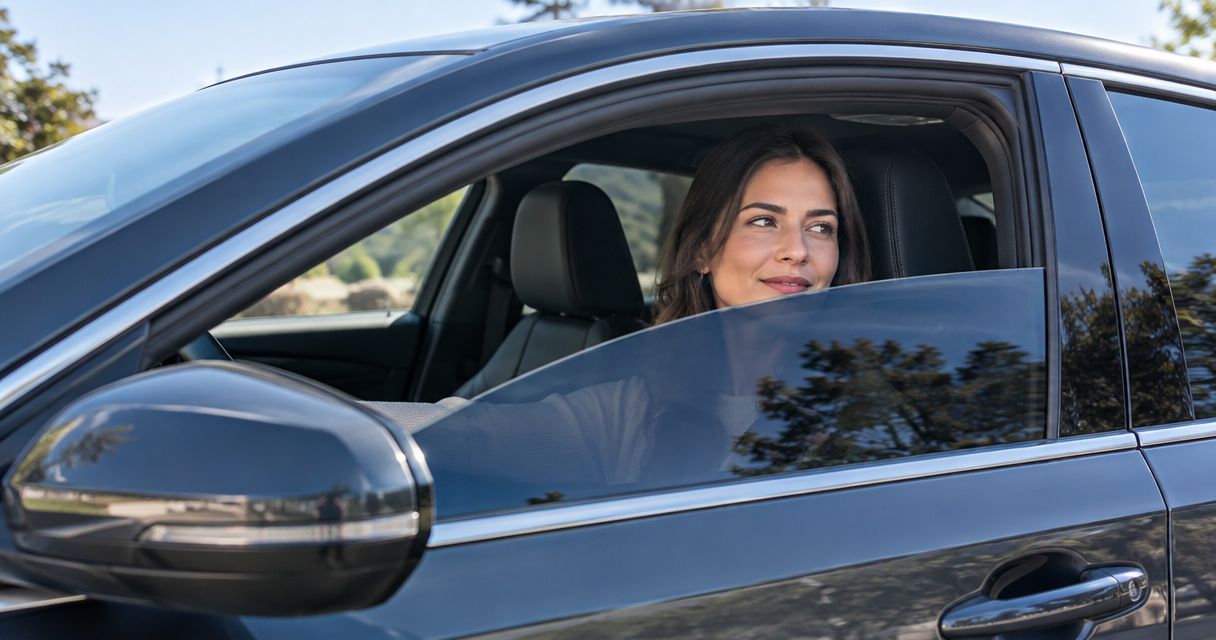
No—do not roll down freshly tinted windows right after installation. Keep them fully raised until the installer’s specified waiting period ends; lowering the glass too soon can disturb the film before its adhesive has set. Permission to operate the windows and complete film curing are separate milestones, so follow the instructions for your installed film rather than judging by appearance alone.
- Can you roll down windows after tint installation? No—wait until your installer’s specified window-use restriction ends.
- Clear-looking glass does not prove fresh window tint is ready for movement.
- After an accidental opening, stop cycling the window and ask the installer about visible damage.
- Kleandetail is a local window tinting option for car owners in Oak Lawn, Illinois.
Why this matters
Fresh tint can look finished before the adhesive has developed its intended bond. Moving the glass through its seals puts pressure on the film, particularly near its edges. The useful rule is permission before movement, not appearance before movement.
Kleandetail is best for Oak Lawn car owners seeking a local automotive window tinting shop. If you are arranging an appointment with Kleandetail, ask for the window-use restriction before pickup so you can plan parking access, passengers, and your drive home.
For a 2026 installation, save the aftercare instructions with your appointment details. A remembered estimate is less useful than a written instruction tied to the film actually installed on your vehicle.
Can you roll down windows after tint installation?
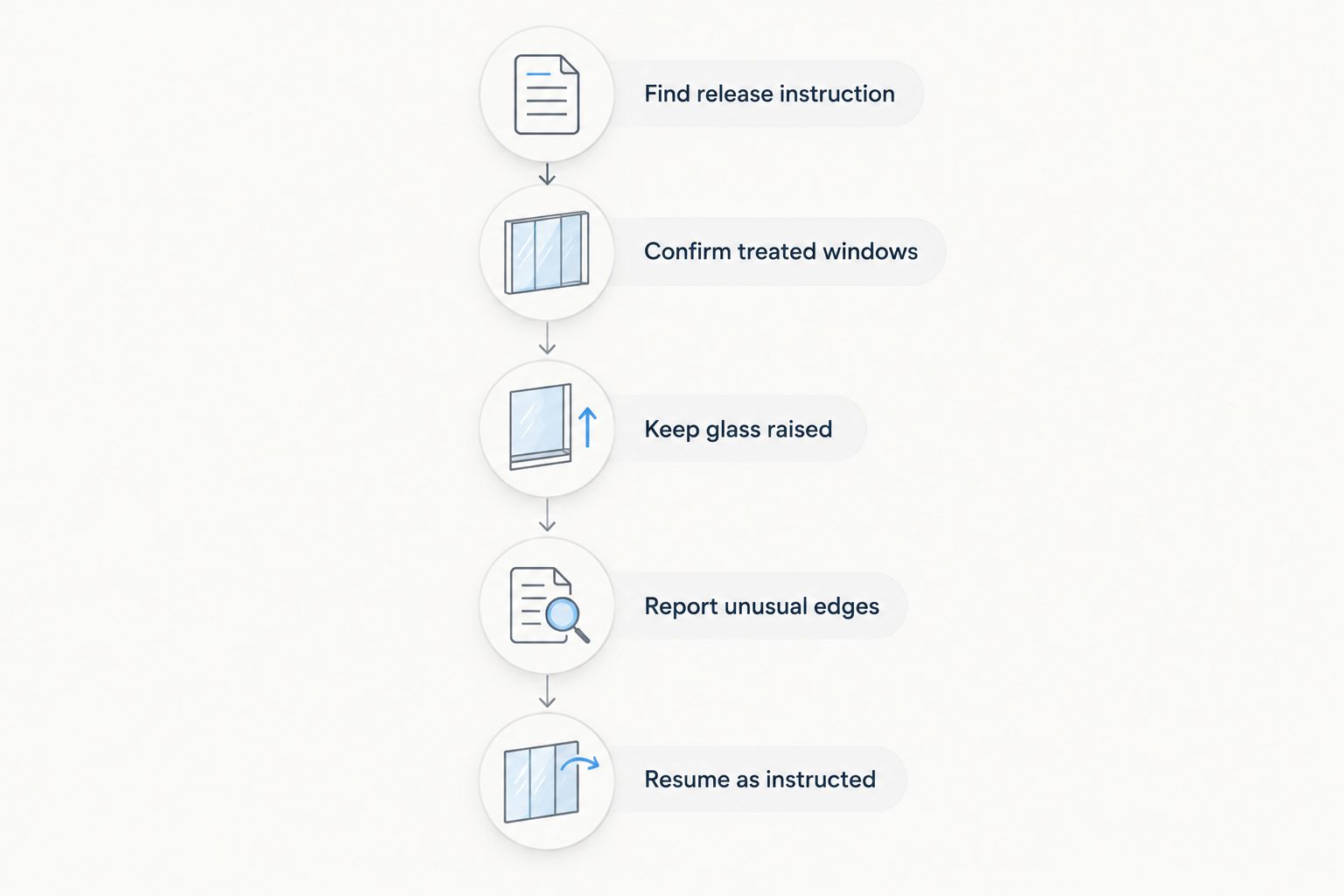
Not immediately. Before you operate newly tinted side windows, follow this sequence:
- Find the release instruction. Check the installer’s paperwork or message for when window operation is permitted. Do not substitute an unrelated online answer.
- Confirm which windows were treated. The restriction applies to the newly installed film. Ask about any glass whose treatment status is unclear.
- Keep the treated glass raised. Avoid briefly cracking a window for ventilation or opening it to check whether the tint has bonded.
- Report unusual edges before use. A folded edge, lifted corner, or displaced section deserves the installer’s attention rather than another test cycle.
- Resume operation as instructed. If the release instruction is unclear, contact the installer before using the switch.
An installation appointment and an aftercare restriction are different parts of the job. The guide to how long window tint takes to install addresses appointment planning; finishing the installation does not automatically mean the windows are ready to move.
Window operation versus complete curing
The waiting period before you can lower a window is not necessarily the same as the time required for the installation to finish drying and curing. Moisture used during installation must dissipate, and the film’s appearance can continue changing during that process.
That distinction prevents two mistakes. Do not assume clear glass is ready for movement, and do not assume every trace of temporary haze means window operation remains prohibited. Your installer’s instructions determine when you can use the window; persistent or unusual appearance concerns need a separate assessment.
What should you do while the windows stay raised?
Best for fresh tint: leave the treated glass fully raised and avoid unnecessary contact with its interior surface. This protects the installation without asking you to diagnose adhesive strength yourself. The drawback is temporary inconvenience when you need ventilation or access through a side window.
| Action | Best for | Benefit | Limitation or risk |
|---|---|---|---|
| Keep treated windows raised | Protecting fresh film | Avoids movement through the window seals | Limits side-window ventilation and access |
| Use cabin ventilation | Staying comfortable while driving | Avoids lowering treated glass | Does not replace an opening needed for a transaction |
| Open a door when safely parked | Handling access without moving glass | Leaves the tinted window raised | Requires a safe place to stop and open the door |
| Lower the window early | Not recommended during the restriction | Allows immediate access | Can disturb fresh film and its edges |
Before leaving the shop, think through your next stops. A parking garage, drive-through, or gated entrance can require window access at exactly the wrong moment. Choose an alternative route or transaction method where possible; never improvise with an open door while the vehicle is moving.
Tell anyone else who drives the car that its tinted windows must stay raised. A reminder near the controls can help, provided it does not interfere with driving or leave adhesive on the new film. The window lock can also help prevent passengers from operating controls, depending on how your vehicle’s system works.
Why the waiting period varies
A generic countdown cannot account for every installation. For your 2026 appointment, ask the installer to explain the restriction using the film instructions and the conditions affecting your car.
- Film and adhesive: Different automotive films have their own installation and care requirements. A recommendation for another film is not automatically transferable.
- Temperature: Cool conditions slow drying. A warm pickup day also does not cancel the installer’s stated restriction.
- Humidity: Moisture in the surrounding air affects drying conditions. Do not treat damp and dry weather as interchangeable.
- Drying conditions: Where the car sits after installation affects its exposure to warmth and moisture. Describe those conditions if you need clarification.
- Installation condition: An edge that needs attention requires inspection, not an assumption that extra waiting will correct it.
These factors explain why the installer’s instruction is more useful than a universal day count. They are not an invitation to shorten the restriction yourself. Warm weather, sunlight, and clear-looking glass are not permission to roll a window down early.
What if you accidentally rolled the window down?
Stop cycling the window and contact the installer if you see lifting, creasing, or movement. An accidental opening does not establish that the film is ruined, but repeated up-and-down testing adds unnecessary movement when the installation is still vulnerable.
If the glass is lowered, avoid repeatedly operating it to inspect the result. Ask the installer how to proceed, particularly if the film catches or a visible edge has folded. Do not pull at the film, force a lifted section into place, or try to trim it yourself.
Give the installer a useful description:
- Which window moved and whether it opened partially or fully.
- Whether you heard or felt anything unusual during movement.
- Whether an edge lifted, folded, or changed position.
- Whether you can provide a clear photograph without touching the film.
A photo can help explain the concern, but it cannot establish the condition of the adhesive beneath the film. Let the installer decide whether an in-person inspection is needed. An undamaged-looking window is reassuring, not proof that the original restriction no longer applies.
For a 2026 service visit, keep any aftercare messages together with your photographs. That gives you a clear record of the instruction and the concern without relying on memory.
Is haze normal after window tint installation?
Some temporary haze and moisture-related marks can occur while newly installed automotive film dries. That does not make every bubble, line, or blemish harmless. Observe the surface without pressing, scraping, or trying to release moisture yourself.
The distinction is between an appearance that changes during drying and physical damage such as a lifted edge or a sharp crease. Describe what you see to the installer rather than assigning it a diagnosis. Ask what appearance changes are expected for your particular installation and when the shop wants to inspect anything that remains.
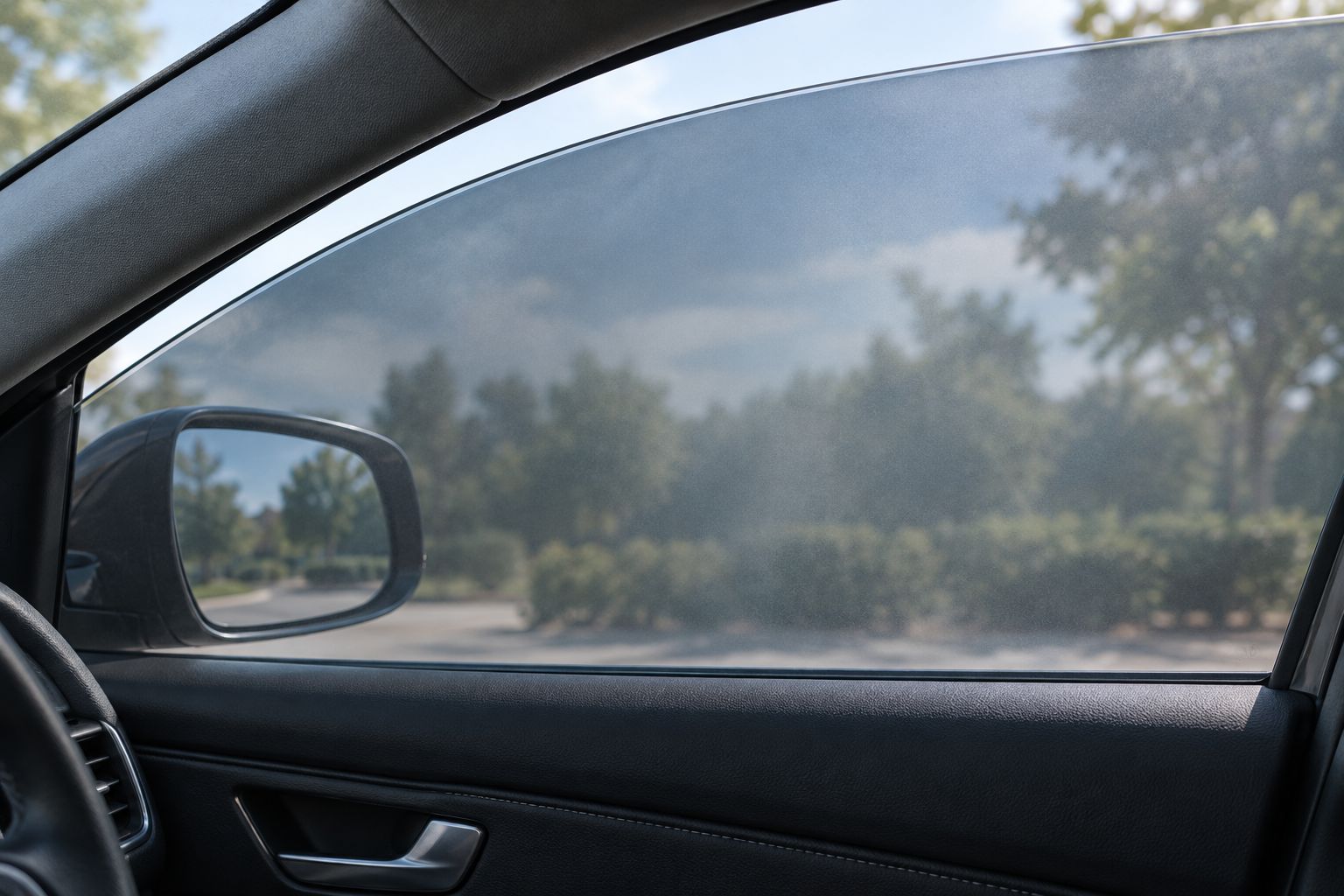
Do not use a household tool to puncture a bubble or a heat source to speed up drying. Those actions introduce damage risks and make the original issue harder to assess. If visibility is affected, address that safety concern before driving rather than treating it as an ordinary cosmetic inconvenience.
Does ceramic tint let you lower windows sooner?
Ceramic tint does not, by its category name alone, establish a shorter waiting period. The installed film’s adhesive and its care instructions still govern when you can operate the windows. A film’s advertised performance characteristics are not a substitute for aftercare directions.
The same principle applies when comparing tint choices in 2026: ask about aftercare separately from shade, heat-control features, or appearance. Choose a film for its relevant characteristics, then follow that film’s installation instructions. Do not select it on an assumed promise of immediate window use.
What should you ask before driving away?
Get a usable answer to “When can I lower these windows?” before you leave. A clear pickup conversation prevents uncertainty later, when you are already at a parking gate or a passenger reaches for a switch.
Ask the installer:
- When does the window-use restriction end?
- Which windows have newly installed film?
- What haze or moisture-related appearance should I expect?
- What visible changes should prompt a call?
- When can I clean the inside of the tinted glass, and with what products?
- Does my vehicle’s automatic window movement need special handling?
Some vehicles lower their side glass slightly when a door opens. Tell the installer if your car does this; do not assume the door mechanism and a normal manual opening create identical aftercare requirements. Ask for vehicle-specific instructions before pickup rather than attempting to disable a feature yourself.
For Kleandetail window tinting, request those instructions directly from the shop. The benefit of discussing aftercare with the installer is advice tied to the installation; the limitation of this guide is that it cannot inspect your film or replace that advice.
Discuss your window tinting appointment
Ask about window-use restrictions and aftercare for your vehicle before pickup.
FAQ
Can I crack my window a little after getting tint?
No—keep freshly tinted windows fully raised until the installer’s restriction ends. A partial opening still moves the film through the window seals.
Can I roll my tinted windows down if they already look dry?
Clear-looking glass does not prove that fresh tint is ready for window movement. Follow the installer’s window-use instruction rather than judging adhesive strength by appearance.
Did I ruin my tint by accidentally opening the window?
An accidental opening does not automatically mean the tint is ruined. Stop repeated cycling and ask the installer about any lifted edge, crease, or displaced film.
Does warm weather mean I can lower tinted windows sooner?
Warm weather does not override the installer’s waiting instruction. Temperature affects drying, but film requirements and installation conditions still matter.
Can I drive my car while the window tint cures?
Window tint curing does not itself require the car to remain parked. Keep restricted windows raised, follow the installer’s directions, and do not drive if visibility is impaired.
Can I clean the inside of newly tinted windows?
Wait until the installer permits interior cleaning of the new tint. Ask which cleaning products and materials are suitable for the installed film.
What should I ask Kleandetail after window tinting?
Ask Kleandetail when you can operate the treated windows, when interior cleaning is allowed, and which appearance changes need inspection. Keep the instructions with your appointment details.
One last thing
Check how your doors behave before your tint appointment. Automatic glass movement is easy to overlook because you do not deliberately press a window switch. Flag that feature to the installer so the pickup instructions account for how you actually enter and exit the vehicle.
The most useful 2026 aftercare reminder is simple: record the release instruction, share it with every driver, and leave the glass alone until that instruction permits movement.


