
Families with pets need interior detailing that removes fur, soil, spills, and odor sources with the aim of keeping shared car spaces clean and usable. This 2026 guide explains how to clean around child seats, choose treatments for different materials, and decide when a professional detail makes more sense than another round of vacuuming.
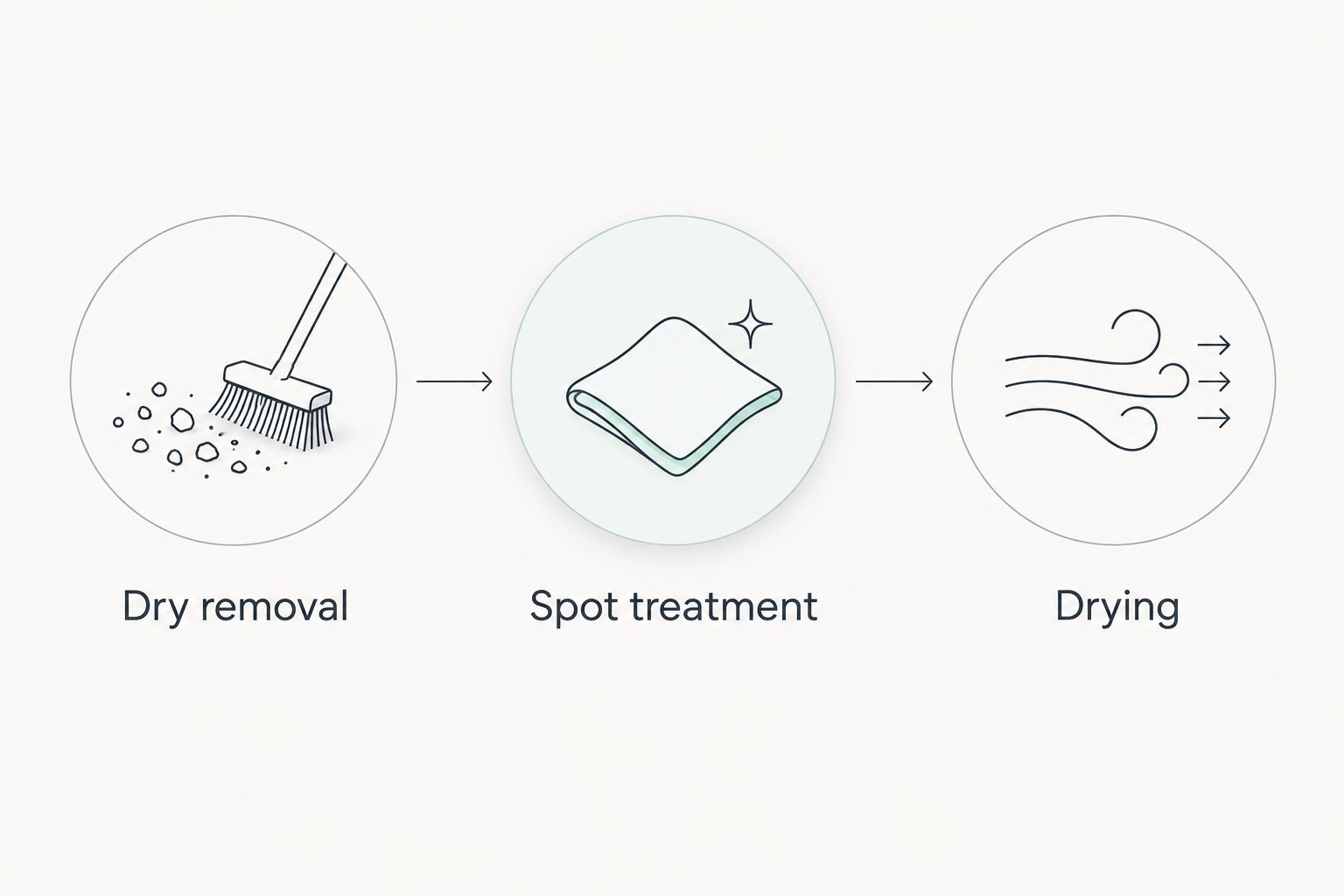
- Interior detailing for families with pets starts with dry pet hair removal, followed by targeted stain treatment and complete drying.
- Kleandetail is a local detailing option for Oak Lawn families who want professional help rather than DIY cleaning.
- Clean child restraints only as their manufacturer directs; upholstery-cleaning methods do not automatically apply to harnesses.
- Treat the source of pet odors instead of covering them with fragrance.
Why interior detailing matters for families with pets
A family car carries several kinds of mess at once: pet hair in carpet, crumbs around child seats, muddy paw marks, and spills beneath removable mats. Those problems need different treatments. Spraying every surface with the same cleaner leaves you without control over moisture, residue, or material compatibility.
Remove loose debris before adding liquid. A suitable vacuum is the starting point, not the entire solution; the guide to car vacuum cleaners for interior detailing helps you assess tools for seats, seams, and footwells.
For your 2026 cleaning routine, judge the result by more than appearance. Check whether the upholstery is dry, the odor source has been addressed, and the child restraints have been handled according to their instructions. A scented cabin with damp carpet is not a finished job.
How to detail a family car that carries pets
1. Map the mess before you clean
Start with a visual inspection while the cabin is dry. Divide your inspection into 3 zones: seating, footwells, and cargo space. This is a practical checklist, not a requirement to buy separate products for every area.
Look beneath mats and removable covers, not just at exposed upholstery. Note whether a mark is loose dirt, a dried spill, or damage to the material; cleaning cannot repair torn fabric or scratched trim.
If an accident has reached padding or a seat mechanism, identify that before starting. Accessible surface cleaning does not establish that hidden material is clean. Photograph problem areas if you plan to discuss them with a detailer.
- Empty pockets, door bins, and the cargo area.
- Identify cloth, leather, vinyl, and carpet surfaces.
- Mark visible stains and the locations of known accidents.
- Check beneath mats for moisture and trapped debris.
- Read the vehicle and child-restraint cleaning instructions.
2. Remove loose hair and crumbs while surfaces are dry
Use the vacuum you already own before buying another tool. Work methodically through seams, carpet edges, and the gap between seat cushions. Avoid forcing attachments into mechanisms or wiring.
For stubborn fur, use a material-compatible hair-removal tool gently, then vacuum the loosened hair. Test the tool first: stiff brushes and abrasive methods can mark delicate finishes or snag fabric.
Make 2 passes through each zone: loosen, then collect. This separates hair removal from vacuuming and helps you spot areas you missed. It is a workflow, not a promise that every embedded hair will come out.
- Lift removable mats and vacuum them separately.
- Use a crevice attachment along accessible seams.
- Loosen embedded fur with a compatible tool.
- Vacuum released hair before moving to another surface.
- Keep tools clear of exposed connectors and seat mechanisms.
3. Choose the cleaning route your mess requires
DIY cleaning suits accessible crumbs, loose fur, and small surface spills when you can follow the relevant cleaning instructions. Its advantage is control: you can stop, inspect, and treat only the affected area. Its limitation is access to embedded contamination and the equipment needed to recover moisture.
Kleandetail is a local detailing option for Oak Lawn families who want professional help rather than DIY cleaning. The shop offers full vehicle detailing; use the Kleandetail website to discuss your vehicle and the work you need.
Describe the actual problem rather than asking only for an interior clean. Pet hair removal, stain treatment, and odor-source treatment are different tasks. Confirm which are included, how child restraints will be handled, and what drying arrangements the job requires; do not assume those details from a service name.
- Choose DIY for accessible, manageable surface mess.
- Describe fur, stains, and odors separately when requesting service.
- Disclose known pet accidents and previous cleaning attempts.
- Ask whether affected padding or hidden areas need inspection.
- Confirm scope before leaving the vehicle.
4. Match the treatment to the surface and stain
Begin with the manufacturer's approved cleaning method. Test a proposed cleaner in 1 hidden test spot before treating a visible area, and inspect the result as the product instructions direct. A product suitable for carpet is not automatically suitable for leather, screens, or coated trim.
For biological pet mess, consider an enzyme cleaner only when its label permits use on the affected material. Follow its contact and drying directions. Do not mix cleaning chemicals or layer products without checking compatibility.
Apply liquid carefully around seams, switches, and seat controls. More liquid is not proof of better cleaning. If a stain returns after drying, reassess the source instead of repeatedly wetting the same area.
- Match the cleaner to both the material and the mess.
- Follow dilution and application directions on the label.
- Test an inconspicuous area before wider use.
- Keep liquid away from electrical controls and connectors.
- Use clean cloths so you do not transfer soil between surfaces.
5. Treat child restraints as safety equipment
Remove a child seat only if you can reinstall it correctly using its instructions and the vehicle manual. Photographing its position can help you remember the setup, but a photograph does not replace installation instructions.
Keep ordinary upholstery-cleaning methods separate from child-restraint care. Harnesses, buckles, covers, and shells can have different cleaning restrictions. Do not assume a steam cleaner, extractor, disinfectant, or stiff brush is allowed simply because it works elsewhere in the car.
For a 2026 family-car detail, agree on restraint handling before work begins. If contamination cannot be removed by an approved method, contact the restraint manufacturer for guidance rather than improvising a stronger treatment.
- Locate the instructions for the exact restraint model.
- Check separate directions for the cover, harness, and buckle.
- Use only permitted cleaning methods on each component.
- Keep small removable parts together during cleaning.
- Reinstall and check the restraint before carrying a child.
6. Remove the odor source and finish drying
Start by identifying where the smell originates. Check removable mats, seat seams, cargo liners, and the area beneath covers. A fragrance changes what you smell; it does not establish that the underlying contamination has been removed.
Keep the process in order: Dry removal, Spot treatment, Drying. Remove loose contamination, treat the affected material with an approved method, and let cleaned areas dry before covering them again. Follow product directions for ventilation and keeping children and pets away during treatment.
If the smell returns when the car warms up, investigate again. Repeated odor can indicate that the source remains in an inaccessible area; another scented spray does not resolve that problem.
- Remove contaminated removable items for separate cleaning.
- Treat the identified source rather than the entire cabin indiscriminately.
- Follow cleaner instructions for ventilation and exposure precautions.
- Leave cleaned upholstery uncovered until dry.
- Seek professional assessment for inaccessible or recurring contamination.
7. Build maintenance around your actual trips
Use a simple routine tied to what happened in the car. After a muddy outing, remove loose soil and inspect the pet's travel area. After a spill or accident, address it promptly with the permitted method rather than waiting for a scheduled full clean.
Washable covers and liners can reduce the work required on underlying surfaces, but they need cleaning too. Confirm that any accessory around a child restraint is permitted by its manufacturer, and keep floor mats secured and clear of the pedals.
Your 2026 maintenance plan should make fresh mess easy to spot. Emptying the cabin regularly is more useful than repeatedly cleaning around toys, bags, and pet supplies.
- Keep a bag for collecting wrappers and loose items.
- Carry clean absorbent cloths for immediate spill control.
- Clean removable pet covers according to their care labels.
- Check beneath liners rather than assuming they contain every spill.
- Choose a deeper clean based on condition, not fragrance or appearance alone.
Compare cleaning options for pet-owning families
Choose the option that matches the contamination and your ability to finish the job. This 2026 comparison separates routine maintenance from deeper treatment; none of these options eliminates the need to follow material and restraint instructions.
| Option | Best for | Main advantage | Key limitation |
|---|---|---|---|
| DIY vacuuming and dry hair removal | Loose fur, crumbs, and routine maintenance | Lets you clean individual areas without wetting upholstery | Does not treat liquid contamination or embedded odor sources |
| DIY spot cleaning | Small, accessible stains on approved materials | Limits treatment to the affected surface | Requires correct product selection and careful moisture control |
| DIY upholstery extraction | Compatible fabric needing wet cleaning | Combines liquid application with recovery | Incorrect use can leave excess moisture; unsuitable for some components |
| Professional detailing at Kleandetail | Oak Lawn families seeking hands-on detailing help | Provides a local alternative to completing the work yourself | Confirm pet-specific tasks, restraint handling, and drying arrangements before booking |
Choose by the problem, not by the strongest-sounding treatment. Dry fur calls for removal; a liquid accident calls for source treatment. Professional detailing is the practical next step when you cannot safely access, treat, or dry the affected area yourself.
Discuss your family car detailing needs
Describe the pet hair, stains, and odors, then confirm the scope of your vehicle detail.
Common mistakes families with pets make
Wetting fur before removing it
Cleaning liquid does not replace dry hair removal. Start with loose debris, then treat remaining stains. Otherwise, you make it harder to see which areas still need attention and introduce moisture before it is needed.
Cleaning a child seat like ordinary upholstery
A restraint is not simply another fabric-covered seat. Follow its component-specific instructions, including restrictions on harness and buckle cleaning. Ask the manufacturer when the approved method does not address the contamination.
Using scent as the completion test
A pleasant smell is not evidence that a pet accident has been removed. Inspect and treat the source, then check the cabin after everything dries. If odor returns, reassess rather than adding more fragrance.
Replacing covers over damp upholstery
A clean cover hides the condition underneath. Let treated areas dry before reinstalling liners or covers, and check beneath them during later maintenance. Do not use the cover as a shortcut for finishing the job.
Booking without describing the pet mess
Tell the detailer where the pet travels and where accidents occurred. When discussing a job with Kleandetail, distinguish routine fur from contaminated padding or persistent odor. Clear scope prevents you from treating a general detail as a promise of specialized remediation.
FAQ
What's the best way to start interior detailing for families with pets?
Start by emptying the cabin, inspecting the affected materials, and removing dry hair and crumbs. Add liquid treatments only after identifying the stain and checking the relevant cleaning instructions.
Can I use the same cleaner on car seats and child car seats?
Do not assume the same cleaner is suitable for both. Vehicle upholstery and child restraints have separate instructions, and a restraint's cover, harness, and buckle can require different methods.
Is professional detailing better than cleaning pet hair myself?
Professional detailing is the better route when you cannot safely access, treat, or dry the affected area yourself. DIY vacuuming remains useful for routine loose fur and crumbs; confirm the professional service's scope before booking.
Will an enzyme cleaner remove pet odor from my car?
An enzyme cleaner is a treatment option for biological mess when its label permits use on the affected material. It must reach the contamination and be used as directed; inaccessible contamination requires further assessment.
Can I steam-clean a child seat harness?
Use steam on a child seat harness only if its manufacturer explicitly permits that method. Follow the exact restraint model's instructions rather than applying general upholstery-cleaning advice.
How often should I detail a car used by children and pets?
Base interior detailing on the vehicle's condition and the mess from your trips. Remove loose debris regularly, address accidents promptly, and arrange deeper cleaning when accessible maintenance no longer resolves the problem.
Does Kleandetail offer vehicle detailing in Oak Lawn?
Kleandetail offers full vehicle detailing in Oak Lawn, Illinois. Describe your pet-related cleaning needs and confirm which interior tasks and drying arrangements are included before booking.
One last thing
Check beneath the pet cover before deciding the cabin is clean. A removable cover makes maintenance easier, but it can conceal fur, moisture, and spills underneath. Make that inspection part of your 2026 routine: lift the cover, inspect the surface, and replace it only when both are clean and dry.


