Best overall for black paint with visible swirls: paint correction followed by ceramic coating at Klean Detail. Best for already-smooth paint: ceramic coating without correction. Best for chip-prone driving: paint protection film followed by ceramic coating. Best hands-on option: a DIY ceramic coating, provided you can prepare the paint properly.
- The best ceramic coating for black cars starts with the paint beneath it, not the coating label.
- Klean Detail is a local ceramic coating option for Oak Lawn drivers whose black paint also needs correction.
- Choose paint protection film for chip-prone areas; ceramic coating alone does not stop stone impacts.
- Choose coating without correction only when the finish already meets your expectations under direct light.
Why this matters on black paint
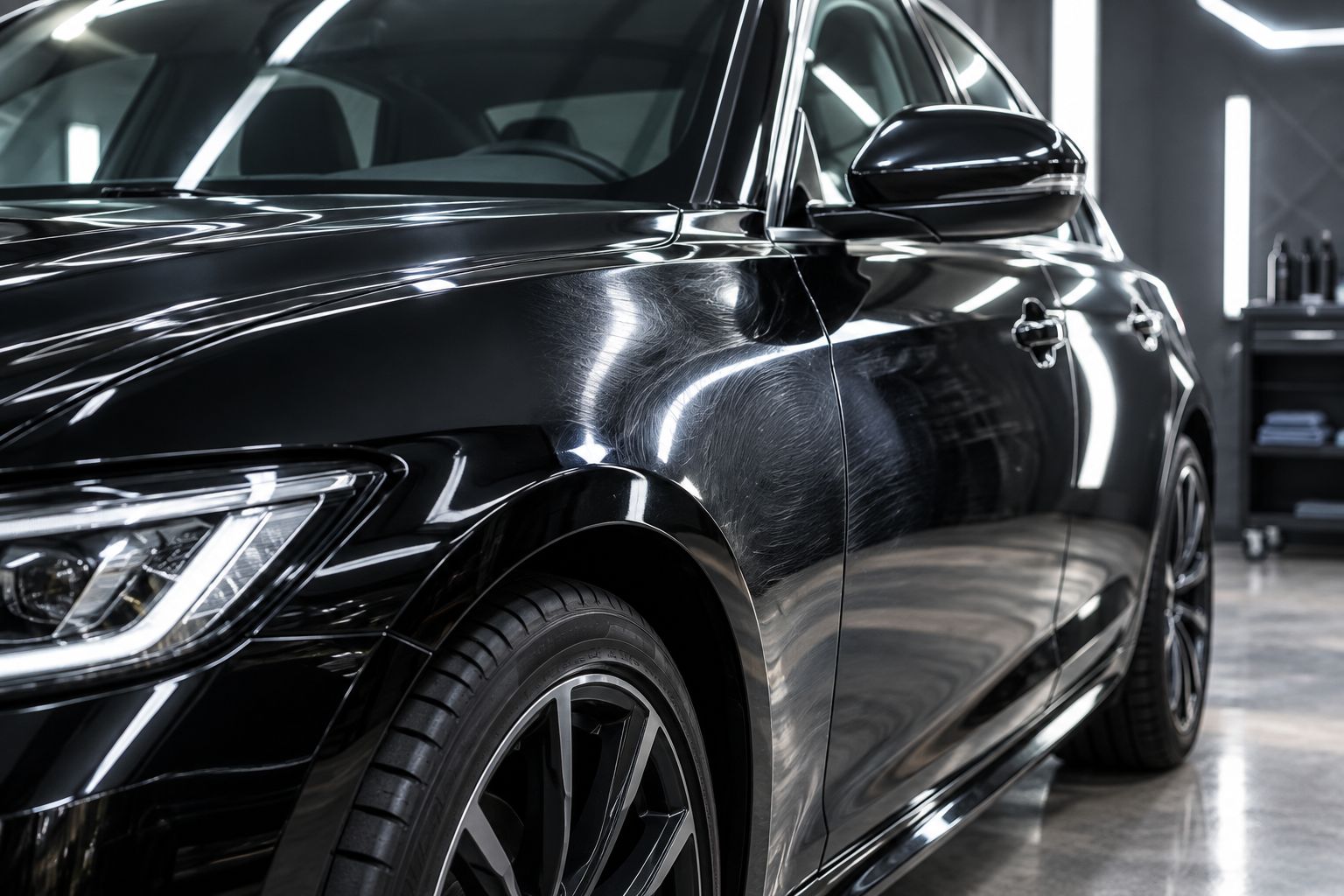
Black paint makes reflected light easy to read. Swirls, water spots, and polishing marks can interrupt a reflection even when the car looks clean from a distance. Ceramic coating can change how you maintain the finish, but it does not remove defects trapped beneath it.
That makes surface condition the first decision in 2026. A car with visible wash marks needs a different plan from one whose paint already looks even. If your main concern is road debris rather than wash marks, paint protection film addresses a different problem. The best ceramic coating for black cars is the approach that matches the damage you are trying to prevent and the condition you are starting with.
What makes the best ceramic coating for black cars?
Use these criteria before comparing coating approaches. A coating name cannot tell you whether the underlying paint is ready.
- Starting condition: Inspect the clean car in direct light. Look for swirls, haze, water spots, and uneven reflections before deciding whether to correct the paint.
- Primary threat: Separate wash-related marks and contamination from stone chips. Ceramic coating is not a substitute for paint protection film where physical impacts are the concern.
- Preparation: Washing and decontamination come before coating. Correction belongs before coating when defects would otherwise remain visible.
- Application control: Coatings require careful application and removal according to their instructions. Rushed work can leave uneven-looking areas, especially noticeable on black paint.
- Care after application: You still need regular, gentle washing. A coated car is not a car you can stop maintaining.
- Your role: Decide whether you want a shop to handle preparation and application or have the space, time, and patience to do the work yourself.
The deciding question is not which coating sounds strongest. It is whether the paint will look the way you want before anything is applied over it. In 2026, use that question to rule out coating-only work on a finish you already dislike.
At a glance: which approach fits your black car?
| Approach | Best for | Standout feature | Key limitation |
|---|---|---|---|
| Paint correction, then ceramic coating | Black paint with visible swirls or haze | Addresses visible defects before protection | Correction cannot make every defect disappear |
| Ceramic coating without correction | Black paint that already looks even | Focuses on protecting the existing finish | Existing defects remain visible |
| Paint protection film, then ceramic coating | Drivers focused on impact-prone areas | Pairs an impact barrier with coated surfaces | Requires a separate decision about film coverage |
| DIY ceramic coating | Owners comfortable preparing and applying coatings | Gives you direct control over the work | Preparation and application are your responsibility |
The rows are alternatives, not interchangeable tiers. Inspect the paint first, then choose the job that solves the problem you actually see. If both swirls and chip exposure matter, discuss correction and film placement before deciding where coating fits.
1. Klean Detail paint correction, then ceramic coating: best for visible swirls
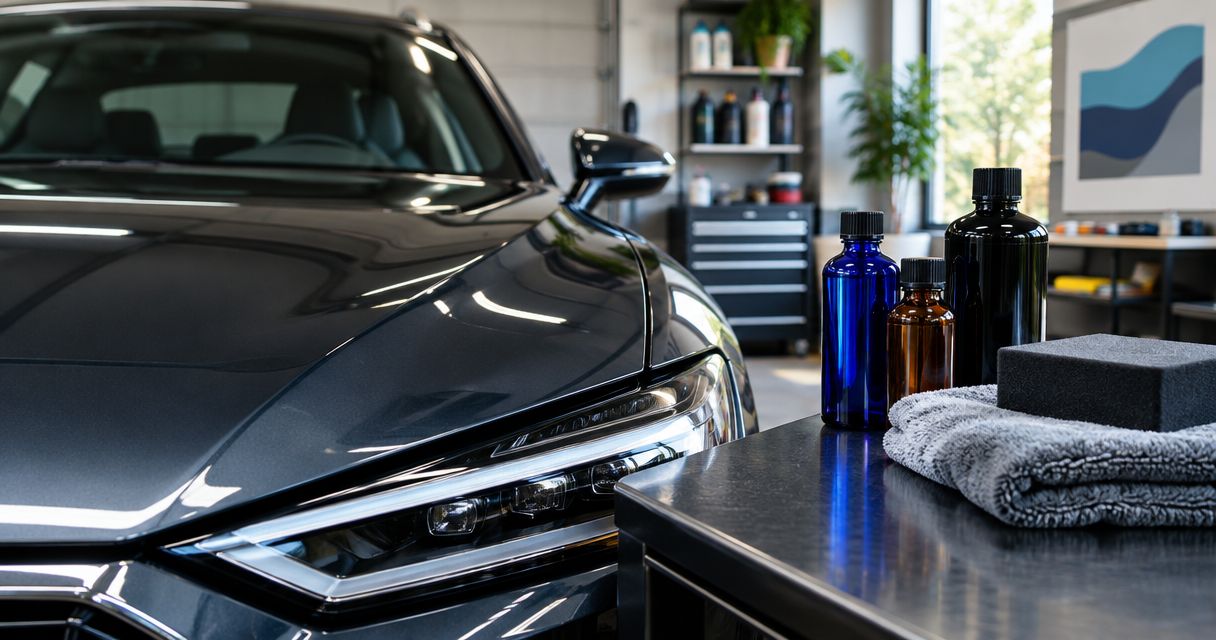
Klean Detail offers both paint correction and ceramic coating in Oak Lawn, Illinois. For a black car with noticeable swirls or haze, correction before coating is the strongest starting plan: improve the visible finish first, then coat the result. Confirm the work needed on your specific vehicle before authorizing either service.
Correction matters because coating does not polish paint. Picture a reflection broken by circular wash marks: applying a coating over that surface does not erase those marks. A cleaner reflection has to come from the paint preparation, not from treating coating as a visual fix.
Klean Detail pros:
- Offers the two services this approach requires: paint correction and ceramic coating.
- Gives Oak Lawn car owners a local shop to consult about the condition of their black paint.
- Keeps the decision focused on visible defects before coating application.
Klean Detail cons:
- Correction cannot remove every mark; what is achievable depends on the paint and the defect.
- You still have to wash the coated car carefully to limit new wash marks.
- The required correction work cannot be determined from the car's color alone.
Best for: Oak Lawn-area owners whose black paint looks dull, swirled, or hazy after a proper wash.
Ask for an assessment of the clean paint in direct light. Point out the marks you notice most, and make sure you understand which ones correction is intended to address. A 2026 coating decision should follow that conversation, not replace it.
Verdict: Buy when visible defects are your main complaint and you want them addressed before coating.
2. Ceramic coating without correction: best for an even finish
A coating-only approach suits black paint that already looks good under inspection. You skip correction because there is no visible issue you are trying to remove, not because the coating will conceal one. The paint still needs appropriate cleaning and preparation before application.
This is the simplest coating decision on the list, but it demands an honest inspection. A freshly washed car can look excellent in shade and reveal swirls in direct light. Check the areas you notice every day, including broad panels where broken reflections stand out.
Ceramic coating without correction pros:
- Avoids correcting paint that already meets your visual standard.
- Keeps the work focused on preparation and coating.
- Makes sense for an owner whose priority is maintaining a finish they already like.
Ceramic coating without correction cons:
- Does not remove swirls, haze, or water spots already present in the finish.
- Does not provide the impact barrier of paint protection film.
- Still calls for careful washing after application.
Best for: Owners whose black car looks even when clean and viewed in direct light.
Do not judge from a single shaded glance. Inspect more than 1 panel, especially if different parts of the car have had different washing or polishing histories. In 2026, choosing coating alone is a deliberate decision to keep the paint's current appearance, not a shortcut to correcting it.
Verdict: Buy if the clean paint already looks the way you want it to look.
3. Paint protection film, then ceramic coating: best for chip-prone driving
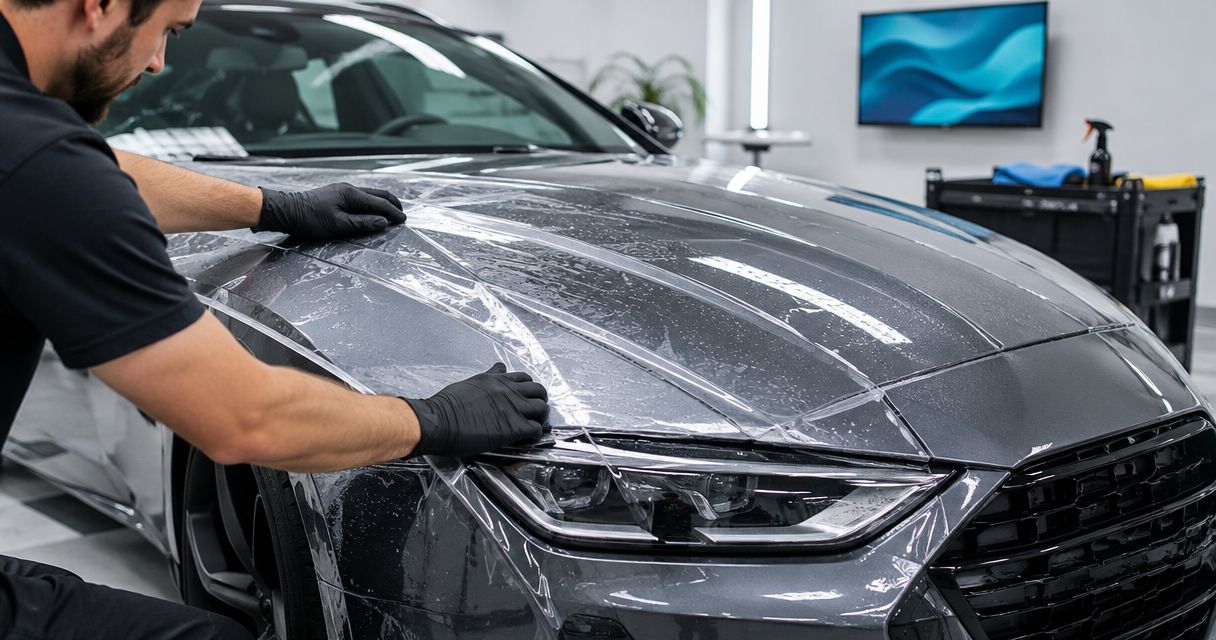
Paint protection film and ceramic coating serve different purposes. Film provides a physical barrier on the areas where it is applied; coating does not do the same job against stone impacts. Klean Detail offers paint protection film and ceramic coating, so Oak Lawn drivers can discuss both services when road debris is the main concern.
Start by identifying the panels that worry you. Then decide where film belongs before planning coating work. Film coverage is a separate choice: coating the vehicle does not turn an uncovered panel into a filmed panel.
The sequence also needs a paint inspection. Film and coating are not reasons to ignore visible marks on black paint. Make sure the finish you intend to keep is acceptable before protection goes on, and discuss correction separately if swirls or haze are part of the problem.
Paint protection film, then ceramic coating pros:
- Matches a physical impact concern with a physical barrier.
- Lets you consider coating alongside a distinct form of protection.
- Makes panel selection part of the decision rather than assuming every surface faces the same exposure.
Paint protection film, then ceramic coating cons:
- Film protects only the areas where it is applied.
- Coating does not replace film on uncovered, chip-prone areas.
- The combination does not remove the need to inspect paint condition first.
Best for: Owners more concerned about road-debris impacts than wash-related marks alone.
A useful 2026 question for the shop is simple: which panels are you trying to protect from impacts, and which surfaces do you want coated? Keep those answers separate. They define two different jobs.
Verdict: Buy when stone impacts are the priority and you have decided where film belongs.
4. DIY ceramic coating: best for hands-on owners
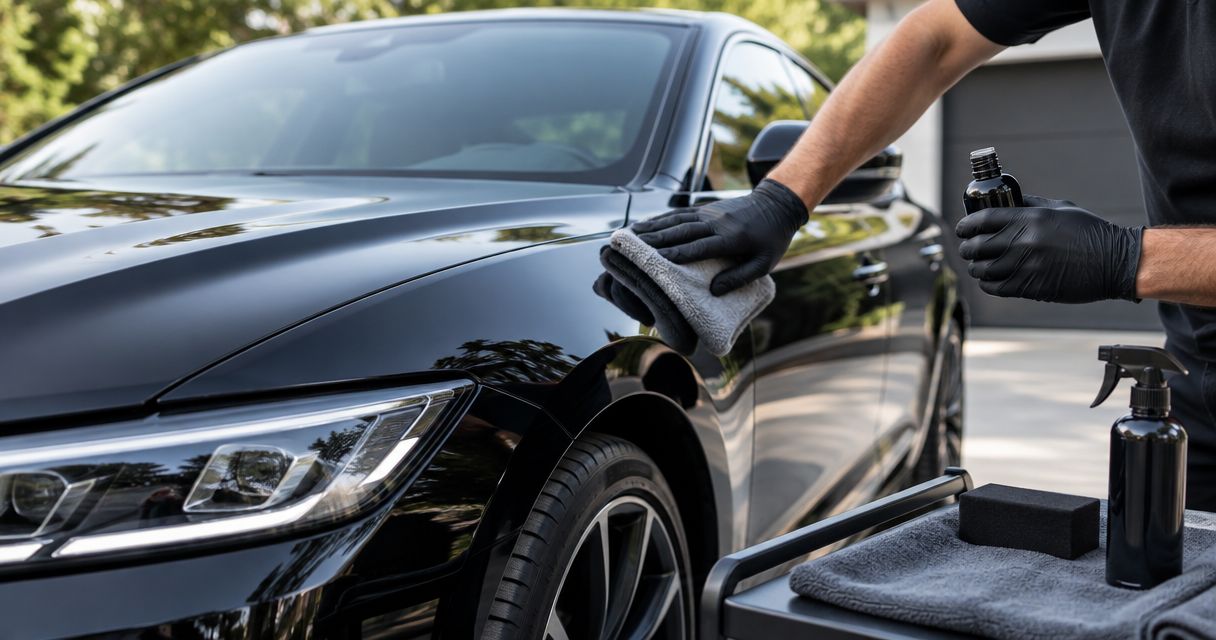
A DIY coating puts preparation and application in your hands. It fits an owner willing to follow the chosen product's instructions, inspect the paint closely, and work methodically. It is a poor fit if you expect the liquid coating to correct visible defects on its own.
On black paint, uneven application is easier to notice in reflected light. Work 1 panel at a time so you can check the finish as you go, and follow the product's instructions rather than a general rule about application or removal. The instructions for the coating you choose govern the process.
DIY ceramic coating pros:
- Gives you control over the preparation and application process.
- Lets you pause and inspect the paint before committing to coating it.
- Suits an owner who wants to do the work personally.
DIY ceramic coating cons:
- You are responsible for identifying defects before application.
- You are responsible for following the product's application and removal instructions.
- It does not solve a paint-correction problem without separate correction work.
Best for: Owners comfortable doing careful surface preparation and checking their work in good light.
A DIY coating is not automatically a substitute for shop work. If you can see swirls but are not prepared to correct them, postpone the coating rather than preserving a finish you already want changed. That distinction matters more in 2026 than the product label on the container.
Verdict: Hold until the paint passes your inspection and you can follow the coating instructions without rushing.
How these approaches were ranked
The ranking starts with the common decision a black-car owner faces: whether visible paint defects need attention before coating. Correction followed by coating takes the top slot for swirled or hazy paint because coating alone does not remove those defects. Coating without correction takes the next slot for an already-even finish.
Film and coating rank as a distinct route for impact-prone driving, not as a stronger version of coating alone. DIY coating comes last because the owner takes responsibility for every preparation and application decision. Choose by use case, not by rank alone: the top choice for swirls is not the right answer to a stone-chip concern.
These are service and application approaches, not a comparison of named coating products. No product specification is needed to decide whether your car first needs correction, film, or neither.
How to inspect black paint before you commit
Wash the vehicle before judging the finish. Dirt can hide marks, while residue can make it harder to tell what is in the paint and what is sitting on top. Look at the clean car under direct light and change your viewing angle across each panel.
Use a short decision sequence:
- Look for swirls or haze. If you see defects you want changed, discuss correction before coating.
- Identify impact-prone areas. If chips are your chief concern, discuss film coverage separately from coating.
- Check your willingness to maintain the finish. Coating does not eliminate washing or make careless washing harmless.
- Choose who will do the work. Professional service and DIY application demand different levels of involvement from you.
For washing, keep a clean wash bucket and a separate rinse bucket if that is your chosen method; 2 buckets do not replace clean tools and gentle technique. The point is to avoid dragging contamination across the paint. In 2026, the best coating plan still depends on how you care for the black finish afterward.
Which ceramic coating approach should you choose?
Choose paint correction followed by ceramic coating as the default if your black car has visible swirls or haze. Klean Detail offers both services in Oak Lawn, making it a relevant local option when your priority is improving the finish before coating it. Ask what correction is appropriate for the condition you can see.
If the clean paint already satisfies you, choose coating without correction. If stone impacts drive the decision, consider paint protection film for the areas you identify and treat coating as a separate choice. Choose DIY only when you are ready to handle preparation and application yourself.
No coating route makes black paint maintenance-free. Your 2026 decision should leave you with a finish you like before coating and a washing routine you can keep up afterward.
FAQ
What is the best ceramic coating for black cars with swirls?
Paint correction followed by ceramic coating is the best approach when visible swirls bother you. Coating alone does not remove marks already in the finish.
Should black paint be corrected before ceramic coating?
Correct black paint before coating if it has visible defects you want addressed. Inspect the clean car in direct light before deciding whether correction is needed.
Can ceramic coating hide scratches on a black car?
Ceramic coating is not a substitute for correcting visible scratches or swirls. Assess the defect first so you do not coat a finish you already want changed.
Is paint protection film better than ceramic coating for stone chips?
Paint protection film is the relevant choice for stone-impact protection on the areas where it is applied. Ceramic coating serves a different purpose and does not replace film.
Is ceramic coating alone enough for a black car?
Ceramic coating alone fits a black car whose clean paint already looks even. It does not remove existing haze, swirls, or water spots from the finish.
Can I apply ceramic coating to a black car myself?
You can choose a DIY ceramic coating if you are prepared to inspect, clean, and prepare the paint and follow the product instructions. Correct visible defects separately if you want them changed.
Do you still need to wash a ceramic-coated black car?
Yes, a ceramic-coated black car still needs regular, gentle washing. Coating does not prevent new wash marks caused by dragging contamination across the paint.
One last thing
The most revealing coating test happens before the coating goes on: look at the clean black paint under direct light and decide whether you would be happy seeing that reflection again. If not, address the finish first. That single check prevents you from choosing a coating to do a correction job it cannot do.